
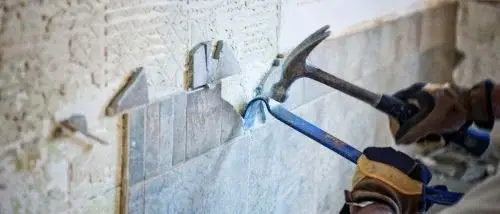
What Are Bathroom Renovations and Why Do They Matter
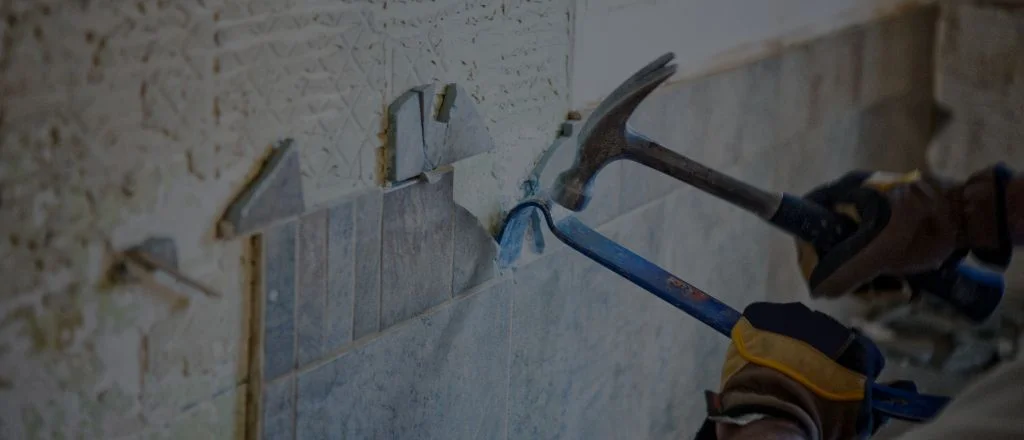
If you’ve ever walked into a freshly renovated bathroom, you’ll know the feeling: bright tiles, clean lines, and a sense of calm that makes the space feel brand new.
A well-executed bathroom renovation doesn’t just improve how your home looks; it changes how you live in it. It adds comfort, boosts property value, and solves those minor frustrations you’ve been putting up with for years.
Whether you’re thinking about a simple facelift or a complete transformation, understanding what’s involved will help you make smarter choices from the start.
Types of Bathroom Renovations
Not every project needs a complete overhaul. Here’s how most homeowners approach it:
- Cosmetic renovations: Quick updates like repainting, retiling, or swapping out fittings.
- Partial renovations: Updating the shower, vanity, or flooring while keeping the layout.
- Complete renovations: Starting with a fresh new layout, plumbing, waterproofing, and all finishes.
What a Professional Renovation Covers
A complete project usually covers:
- Demolition and waste removal
- Plumbing, waterproofing, and electrical work
- Wall and floor tiling
- Vanity, toilet, and shower installation
- Painting and final fit-off
It’s a lot of moving parts, which is why working with experienced tradespeople matters.
What Makes a Project More Complex
Every bathroom is different. Older homes, tricky plumbing, or changing the layout can extend timelines and increase costs. Always get a detailed quote before work begins.
Bathroom Renovation Costs in Australia (2025)
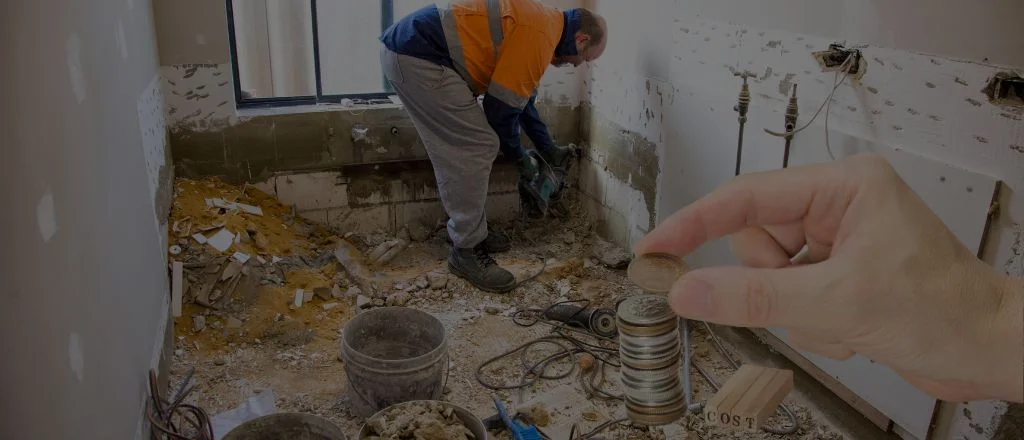
Before picking tiles or paint colours, it helps to know what kind of budget you’re working with. Costs can vary widely across Australia, especially in Sydney, where labour and material rates are a little higher.
Average Bathroom Renovation Cost
A standard bathroom renovation in Australia typically falls between $15,000 and $35,000.
Here’s a rough guide:
- Basic bathrooms: $10,000–$15,000
- Mid-range renovations: $18,000–$25,000
- Luxury bathrooms: $30,000+
These prices include trades, fittings, waterproofing, and tiling.
What Affects the Price
Several factors influence cost:
- Size: Bigger rooms mean more tiles, plumbing, and fittings.
- Materials: Premium tiles and stone benchtops come at a price.
- Trades: Licensed plumbers and electricians ensure safety and compliance.
- Structure: Moving walls or plumbing adds labour and time.
How to Budget Wisely
Set aside 10–20% extra for hidden surprises like water damage or plumbing issues. It’s one of the smartest things you can do to keep stress down once work begins.
Expert Interview – Bathroom Renovation Insights with Sam
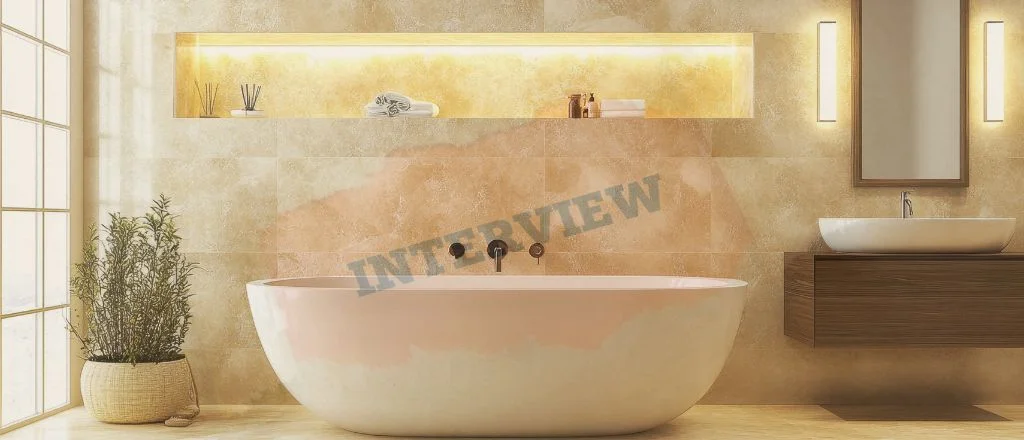
To give readers some practical insight, we spoke with Sam, a Sydney-based bathroom renovation expert with over a decade of experience helping homeowners transform their spaces.
Interviewer: Sam, when homeowners start planning a bathroom renovation, what’s the first thing you tell them?
Sam: I always start with one question — what problem are we solving? It could be a lack of space, poor lighting, or just an outdated look. Once we identify that, every design and budget decision becomes much clearer.
Interviewer: Many people worry about going over budget. What’s your advice?
Sam: Be realistic and transparent with your budget from the start. I recommend setting aside 10–20% for contingencies. It’s rare for a renovation to go precisely as planned, especially in older Sydney homes where we often find hidden plumbing or waterproofing issues.
Interviewer: What’s one thing homeowners often overlook when renovating?
Sam: Ventilation. Everyone focuses on tiles and tapware, but poor ventilation causes mould and damage in the long term. A good exhaust fan and proper air circulation can add years to your renovation’s lifespan.
Interviewer: Let’s talk design. What trends are you seeing in 2025?
Sam: Natural tones and textures are big this year — think light timber vanities, soft neutral tiles, and matte finishes. People want bathrooms that feel like mini retreats. And with Sydney apartments getting smaller, clever storage and frameless screens are more popular than ever.
Interviewer: Finally, what’s your number one tip for homeowners planning their first renovation?
Sam: Don’t rush it. Take time with the planning and measurements. The best renovations come from clear vision and patient decision-making — not last-minute changes once the tiles are on the wall.
Bathroom Design Ideas and Trends for 2025
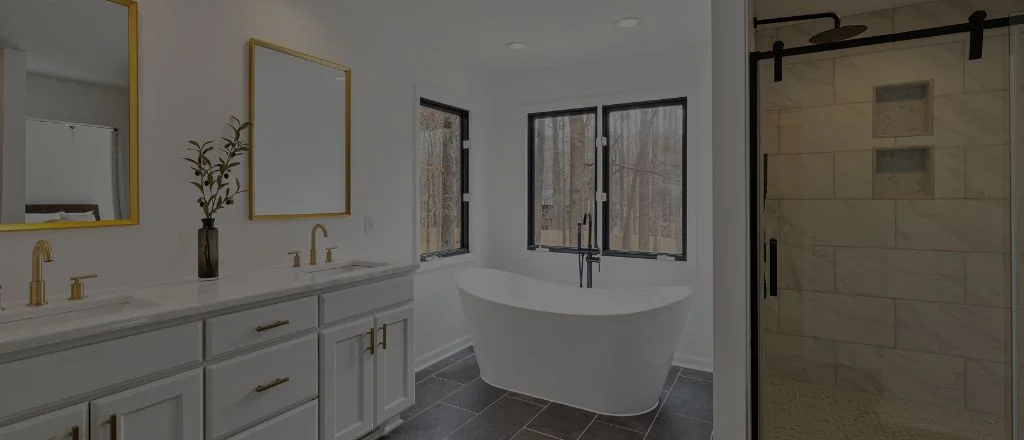
Now comes the fun part: design. This year’s bathrooms are all about calm, natural spaces that blend function with luxury.
Modern, Minimalist, and Luxury Designs
Modern bathrooms focus on clean lines, wall-hung vanities, and open showers.
Luxury spaces often include freestanding tubs, underfloor heating, and brushed gold or matte black fittings, turning your daily routine into a spa-like experience.
Small Bathroom Ideas
Even tiny bathrooms can feel big with innovative design. Try:
- Floating vanities to open floor space
- Frameless glass panels for a seamless look
- Large tiles and mirrors to reflect light and make the room feel larger
Tile, Colour, and Fixture Trends
2025 is seeing a shift towards softer, natural finishes:
- Warm neutrals like beige, ivory, and greige
- Textured tiles with matte or satin finishes
- Timber accents and stone surfaces
- Elegant brushed brass and gunmetal fittings
How to Plan a Bathroom Renovation Step-by-Step
Good planning saves time, money, and headaches. Here’s a clear path to follow before you start swinging the hammer.
Step 1 – Define Your Goals and Budget
Ask yourself: why are you renovating?
If it’s to sell, focus on neutral designs that appeal to buyers. If it’s your forever home, personalise it.
Write down your must-haves (like a double vanity) and your nice-to-haves (like heated towel rails).
Step 2 – Create a Layout and Choose Finishes
Sketch a layout or use free planning tools.
Can the door open easily? Is the shower accessible?
Once the layout feels right, start choosing materials and colours that fit your budget and taste.
Step 3 – Hire Licensed Professionals
Licensed trades must do plumbing, electrical, and waterproofing. It’s not just about quality; it’s the law in Australia. Always check your contractor’s licence and insurance.
Step 4 – Prepare for Installation and Inspection
Clear the area, move valuables, and prepare for some noise and dust.
After completion, confirm you receive waterproofing and electrical compliance certificates.
Bathroom Renovation Timeline and Process
A complete bathroom renovation usually takes 2–4 weeks once construction begins.
Pre-Construction Phase
The pre-construction phase includes design approval, permits, and ordering materials, which usually takes one to two weeks to complete.
Construction Phase
Here’s a typical timeline:
- Demolition: 1–2 days
- Rough-ins (plumbing & electrical): 3–5 days
- Waterproofing & tiling: 5–7 days
- Fixtures & finishing touches: 3–5 days
Final Checks and Handover
Scrutinise the work. Look for even grout lines, sealed edges, and proper drainage.
Request compliance paperwork for waterproofing and electrical works to ensure warranty protection.
Common Bathroom Renovation Mistakes to Avoid
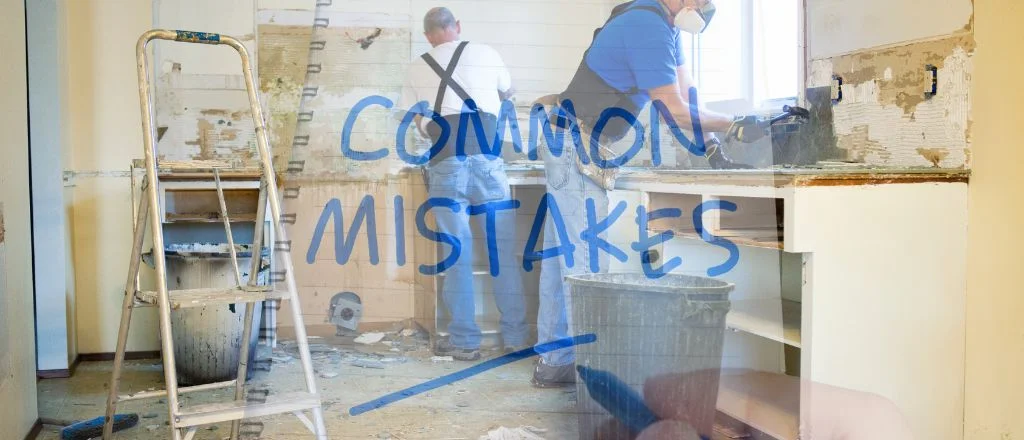
Mistakes in wet areas can be expensive. Here’s what to steer clear of:
- Poor waterproofing is the number one reason renovations fail.
- Ignoring ventilation — mould loves trapped moisture.
- Skipping proper lighting — combine ambient, task, and accent layers.
- Choosing aesthetics over function — stylish but impractical layouts don’t last.
- Hiring unlicensed tradespeople may save money short-term, but costs more later.
DIY vs Professional Bathroom Renovation
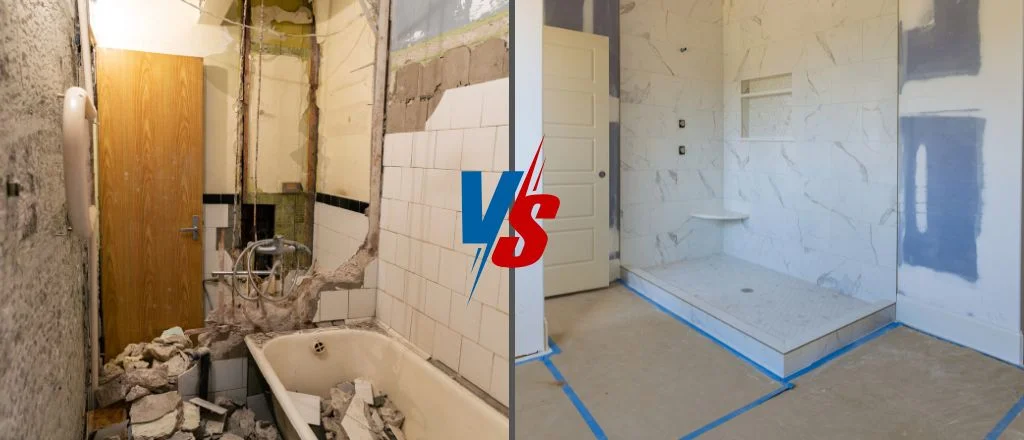
Doing it yourself can seem tempting, but bathrooms are one area where getting the pros involved is worth every dollar.
What DIY Covers Safely
Small jobs like painting walls, updating accessories, or changing tap handles can usually be done on your own.
Why Professionals Are Essential
Licensed tradespeople must handle all plumbing, waterproofing, and electrical work. It ensures your renovation meets Australian Standards and the National Construction Code (NCC 2022) and keeps your insurance valid.
Choosing the Right Renovation Company
Take your time to find the right team:
- Read reviews and check photos of past projects
- Confirm licences and insurance
- Ask for a detailed written quote
- Choose someone who communicates clearly. Trust is everything
Maintaining Your Renovated Bathroom
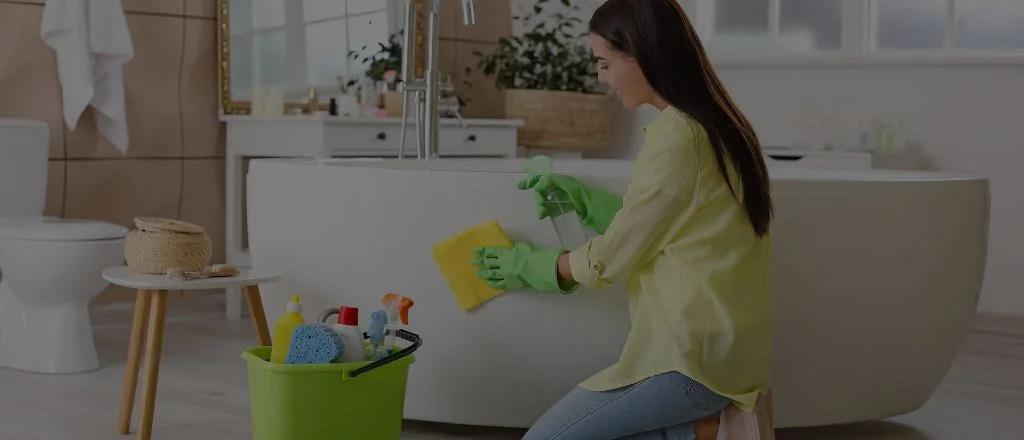
Once your new bathroom is complete, a bit of regular care goes a long way.
Cleaning and Sealing
Use mild, pH-neutral cleaners. Avoid harsh chemicals that can wear down grout or sealant.
Reseal grout once a year to keep it looking fresh.
Preventing Moisture Damage
Turn on the exhaust fan every time you shower and keep it running for 10–15 minutes afterwards. Wipe down glass panels to prevent mineral build-up.
When to Reseal or Replace Fixtures
Check silicone edges and tapware every few months. Small cracks can let in moisture, leading to hidden leaks.
Ready to Start Your Bathroom Renovation?
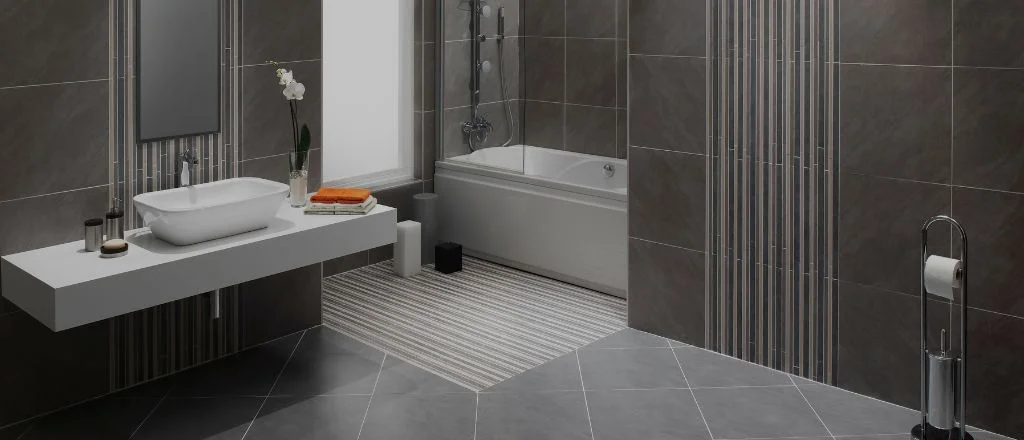
Your dream bathroom is closer than you think.
If you’re in Sydney and ready to start, reach out to our expert renovation team. Our team will design, supply, and install everything, giving you peace of mind that we’ll get it right the first time.